

Macroalgae, a still unexploited resource in Senegal

Macroalgae in Senegal © ISRA
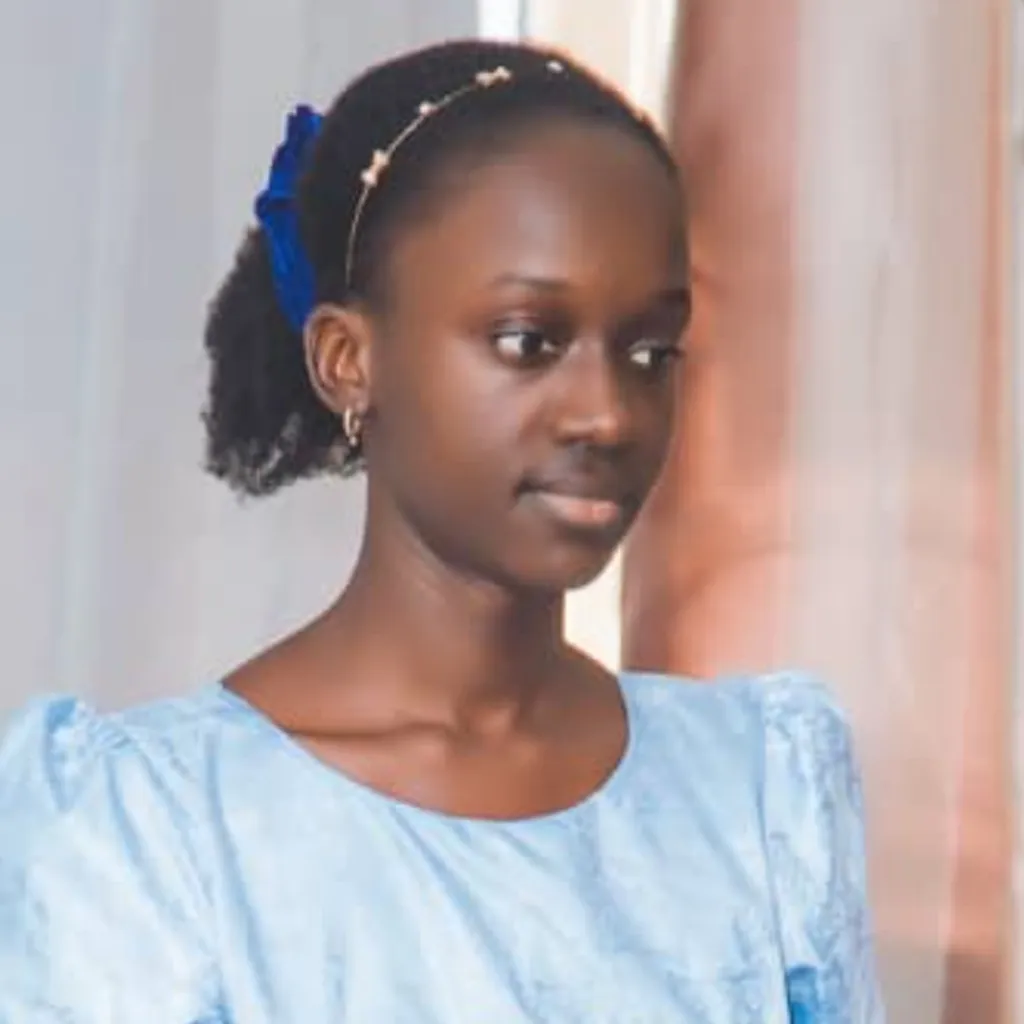
At 26, doctoral student Ndeye Coumba Bousso studies the artisanal exploitation of Senegalese macroalgae. These marine resources have numerous applications in human nutrition and biomaterials.
Ndeye Coumba Bousso's passion for these marine organisms comes from the research that the young doctoral student in chemical engineering did during her university studies.“I often came across very interesting videos on microalgae and macroalgae, including a video from a French researcher. This made me decide to focus on microalgae or macroalgae, I chose the latter.tells us Coumba, met during a guided visit to ISRA, during the conference of French-speaking scientific journalists held in Dakar from October 6 to 2022.
What are macroalgae?
Macroalgae form marine resources with numerous applications (human and animal nutrition, plant health, cosmetics, gelling agents, bioplastics, biomaterials). Senegal has a coastal area rich in marine algal resources.“Some of these algae have economic interests such as Meristotheca senegalensis (good source of iodine, source of carrageenan), Anatheca mountaini and Hypnea musciformis are sources of carrageenan,”specifies the young researcher.
However, the problem is that the economic, social and environmental benefits of algae exploitation in Senegal remain underdeveloped. An equation that Ndeye Coumba Bousso wants to reverse with his thesis.
Currently in Senegal, only a few species – includingMeristotheca senegalensis and hypnea musciformis– are harvested, packaged and exported to Japan and China.“The operation takes place mainly in Ngor and Pointe des Almadies and consists of a washing, drying and packaging stage”explains Ndeye Coumba Bousso.
However, the absence of minimum health standards, adequate infrastructure and necessary equipment in the operating chain, from harvesting to packaging, sometimes leads to health risks that can harm the proper exploitation of algae intended for export.
A (macro) opportunity for Senegal to seize
However, the exploitation of macroalgae would be a source of income-generating activities. Sustainable exploitation of macroalgae would, however, require the establishment of seaweed farming in order to increase the quantity exploited.
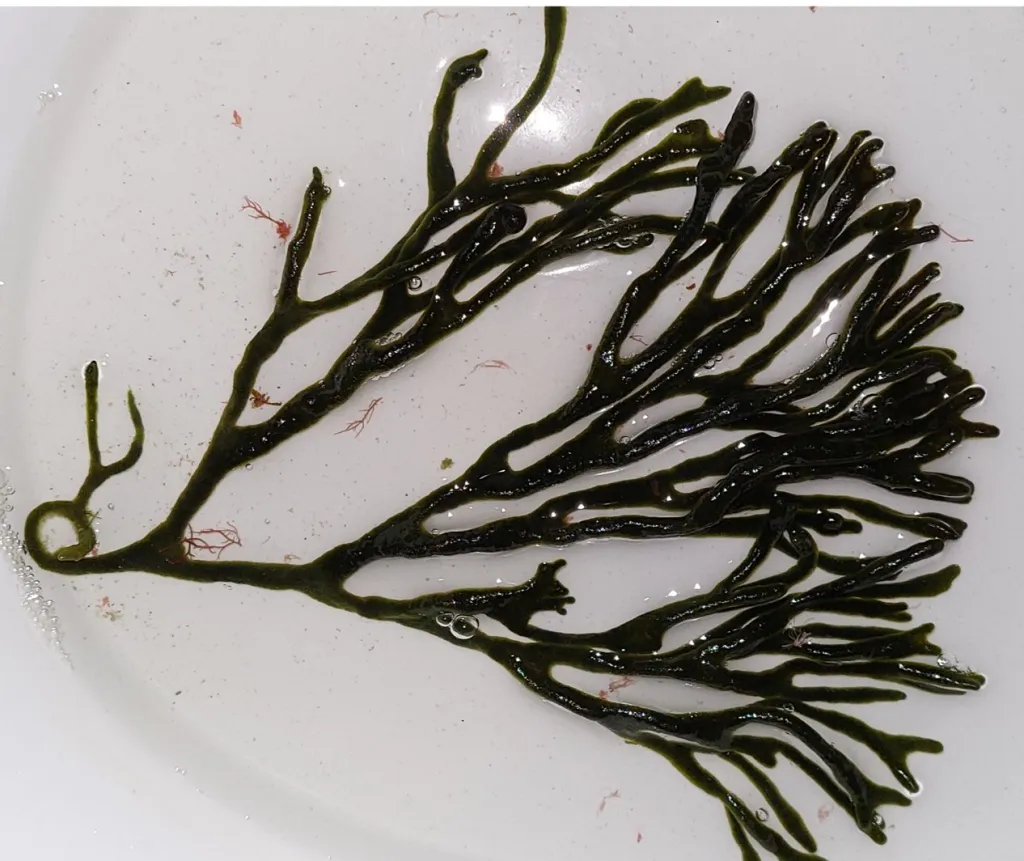
However, the choice of a site and that of a suitable species requires the study of the physico-chemical parameters of natural habitats and the understanding of the interaction of algae species with these natural habitats. This is where scientific research could support development and it is in this context that certain Coumba research activities take place.“macroalgae in Senegal and marine pollution”.
These research activities will identify the interaction of macroalgae with natural habitats and also answer environmental questions: how will the cultivation of macroalgae enable bioremediation, for example?
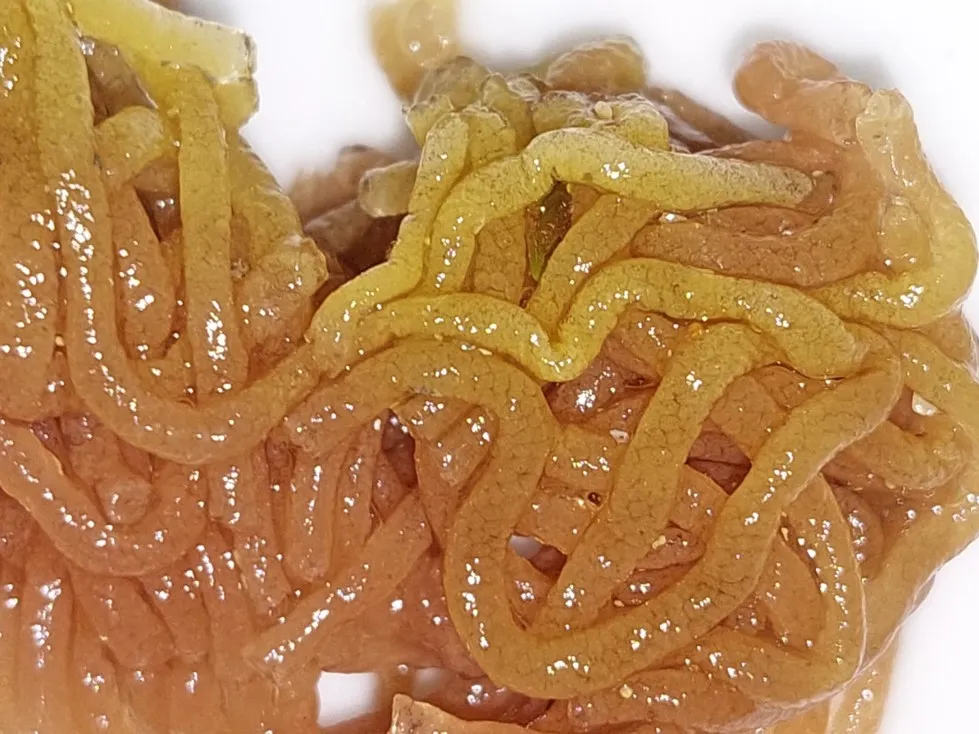
Bioremediation consists of the assimilation of pollutants present in trace elements (metals, nitrogen, phosphorus, etc.) from polluted environments. This pollution can be seen in the Bay of Hann.
Another question concerns environments rich in carbon, nitrogen and phosphorus which could be favorable for the cultivation of species.“The vision of this study is to propose the experiences and results as models and avenues for the development of the blue economy in the sub-region,”explains Ndeye Coumba Bousso.
For the young researcher holding a university technology diploma in chemical engineering at the Ecole Supérieure Polytechnique de Dakar and a design engineering diploma in chemical engineering specialty, analyzing a macroalgae is a source of motivation.
Modestly participating in the opportunity to explore the avenues of application of macroalgae in Senegal, by contributing a building block to scientific knowledge, pushes the young lady to continue her scientific research.
Alpha Oumar Bagou BARRY
Read also
 EpidemicScience
Mosquito virus in Guinea: study reveals discreet circulation in eight regions
A survey carried out in eight regions of the country reveals widespread, but discreet, circulation of viruses transmitted by insects. Zika…
 HealthScience
Dengue fever, yellow fever, West Nile virus: a Guinean study reveals silent circulation throughout the country
A team of Guinean researchers has just published, in the journal Tropical Medicine and Health, the results of a vast survey carried out in…
 Fishing
Guinea: when climate change shakes up artisanal fishing
Every year, the rainy season of July-August changes the cards for artisanal fishermen on the Guinean coast. Between violent winds, swell…
Leave a Reply