

Deafness in Guinea: when social perception complicates monitoring
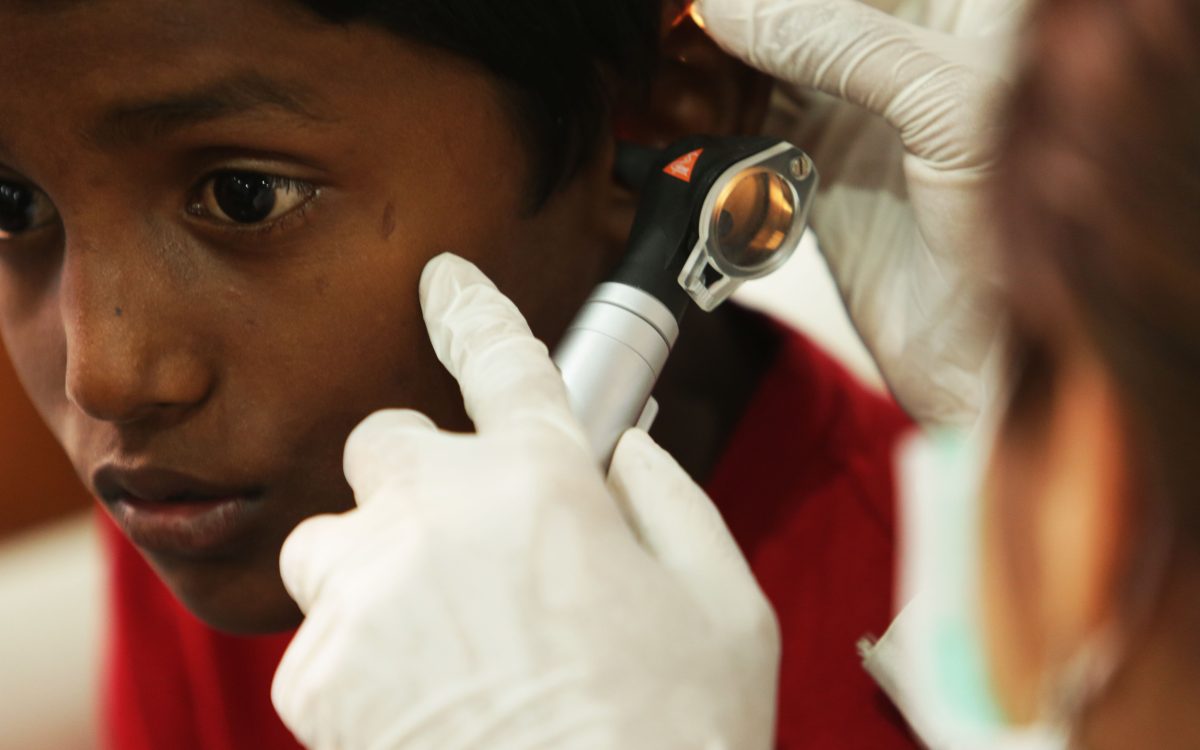
A young boy undergoes a routine ear exam by a healthcare professional using an otoscope. © Pexels - Mike Sangma
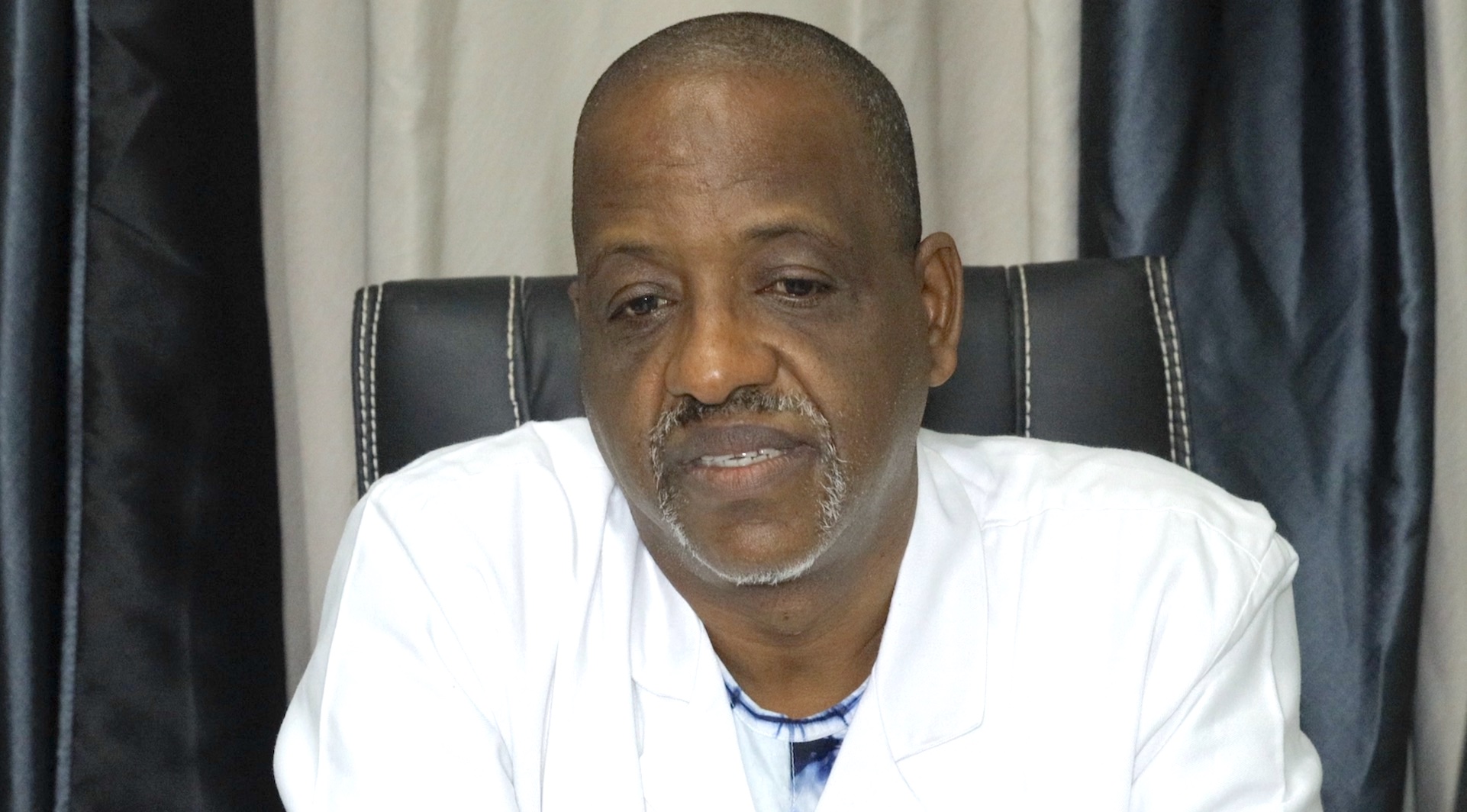
On the occasion of World Deaf Day, celebrated each year on the last Sunday of September, deafness returns to the heart of public health and inclusion concerns. In 2026, the World Federation of the Deaf designates as the theme “Affirming the human rights of deaf people”. In Guinea, Professor Alpha Oumar Diallo, head of the ENT department at Ignace Deen hospital, calls for a better understanding of this hearing disorder and, above all, not to consider it as inevitable.
Hearing, communicating, learning, working, everyday actions that can become difficult when hearing is impaired. In Guinea, deafness affects part of the population, but often remains surrounded by prejudices and preconceived ideas. According to Professor Alpha Oumar Diallo, head of the ENT department at Ignace Deen hospital, around 8% of Guineans are affected by deafness. “ If you take 100 people, eight are deaf “, he says.
But what is a deaf person?
For the specialist, this is a person who does not have the ability to hear. This hearing loss can be mild, moderate, severe or profound and can affect one or both ears. Globally, the problem is also significant. The World Health Organization (WHO) estimates that more than 1.5 billion people live with hearing loss, of whom approximately 430 million have hearing loss requiring treatment. The WHO predicts that this number could reach more than 700 million by 2050.
Multiple causes
Deafness can be present from birth or appear throughout life. It can be linked to genetic factors, certain infections during pregnancy or childhood, chronic ear infections or even aging. Repeated exposure to very loud sounds is also a risk factor. Occupational noise and trauma from accidents can also damage the cells in the ear responsible for hearing.
Very early detection is particularly important in children. “ Untreated hearing loss can have consequences on language acquisition, learning, schooling and social relationships. », underlines Professor Diallo.
Consult at the first signs
A person who hears less well, who regularly asks the other person to repeat themselves, constantly increases the volume of the television or has difficulty understanding a conversation in a noisy environment should consult.
In children, certain signs should also alert, for example the lack of reaction to sounds, a delay in language acquisition or difficulty following instructions. For the specialist at Ignace Deen University Hospital, recourse to a health professional remains essential in order to identify the cause of the problem and determine the most appropriate treatment. Professor Alpha Oumar Diallo, specifies : “losing your hearing should not be considered a sentence to isolation. Because deafness is not inevitable,” he said.
Support exists in Guinea
In Guinea, several treatment options exist depending on the cause and degree of hearing loss. “In some cases, we suggest surgery, we give medication and we place hearing aids, which help to significantly improve the hearing and communication of deaf people”, explains the specialist.
The WHO also considers that many causes of hearing loss can be avoided or managed through prevention, early detection and access to care and hearing aid technologies.
A social perception that complicates monitoring
Beyond medicine, the specialist also points to a problem of social perception. A person who wears glasses to correct their vision is generally accepted without difficulty. On the other hand, wearing a hearing aid can still cause reluctance or even embarrassment. “This difference in outlook must change. A hearing aid is not a sign of weakness.” explains Professor Diallo. However, he points out, this device is intended to compensate for hearing loss which is above all a medical function and which allows a deaf person to hear better and communicate more easily.
Deafness is therefore not only a medical issue. It also affects education, employment, access to information and participation in social life. World Deaf Day is an opportunity to remind people that deafness is not just a question of hearing.
Through this day dedicated to them, Professor Alpha Oumar Diallo sends a strong message. He invites the population to be consulted. “ Knowing better about deafness also means better preventing it, better taking care of it and, above all, changing the way we view people who live with hearing loss. It also helps enable them to communicate, learn, work and participate fully in society. », Urges Professor Alpha Oumar Diallo.
Read also
 HealthDisease
16 chemotherapy sessions: M’balia Batchily recounts her fight against breast cancer
A simple gesture, a mass discovered in time, sixteen chemotherapy sessions. Guest of the show Les Impertinents, on La Guinée Fréquence, M’balia…
 FactuSciencesMedicineHealth
Apple cider vinegar, cinnamon, green tea and cloves do not “kill” sugar in the body of diabetics
This 2 minute 36 second video (archived link here) in which the author claims to share tips that “can kill” sugar in…
 HealthDisease
Cardiac delays in Conakry: what a Guinean study reveals
A patient has been experiencing chest pain for several weeks. He first consults a local health center, then waits…