

Plastic pollution: a rapidly emerging scourge
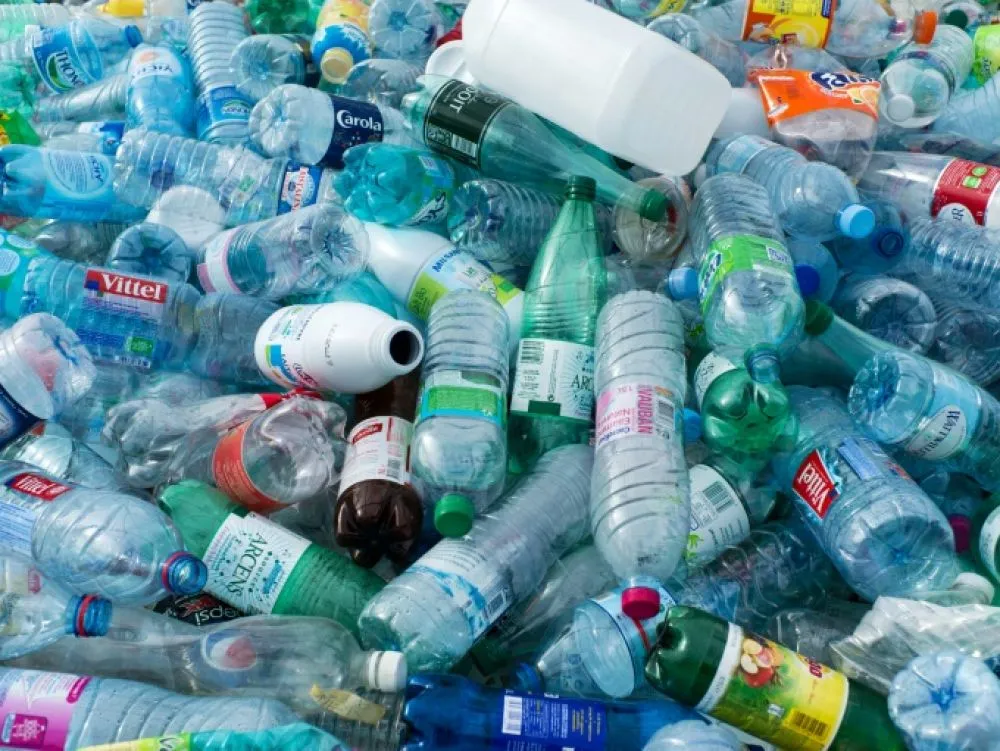
© cover-r4x3w1000-5ad994fb7ff63-46cf113dd4e48acb08db5cc942ee44a9a5d502d4-jpg
The phenomenon of global warming occupies the first place in debates on the environment throughout the world, but alongside this emerges another scourge, plastic pollution which is little talked about but very disastrous. This is why this situation will have a greater impact in the coming decades, warn climate specialists.
Plastics, or plastic bottles, are part of our daily lives. They are used to contain our objects, our food and our drinks. They surround us, in the office, in our shopping, in our homes, to the point that they are essential to us. And yet, they pose a considerable problem to the biosphere.
Ten million tonnes of plastics
After their use, they are found in the form of non-degradable waste in large quantities in nature in a wild state before returning to the oceans where they constitute a threat to the marine ecosystem. Every year, tens of millions of tons of plastic end up as waste in the seas and oceans, some of it remains on the surface and some of it ends up littered on the coasts.
Food poisoning in the sea and oceans
It is in the aquatic ecosystem that this accumulation of waste, 85% of which is plastic, could without exaggeration be considered extremely dangerous. Beyond marine wildlife, aquatic animals get stuck in plastic waste and mistake plastics for food which causes them food poisoning and leads to their death. In recent times, thousands of aquatic animals have been seen dead off the coast of several countries.
Multiplication of the scourge by 2 by 2030
Plastic pollution seeping into aquatic ecosystems has increased significantly in recent years. According to an assessment published by the United Nations Environment Program (UNEP) a few days before COP 26 in Glasgow, plastic pollution could double by 2030, with disastrous consequences for human health, the global economy, biodiversity and the climate.
A secondary question in Guinea
In Guinea, the issue of plastic pollution is almost non-existent in the debates, although they are very real. In homes, on the side of the road, in markets, at the edge of backwaters or beaches, we are impressed by a mountain of garbage mainly made up of plastic. This increased accumulation of waste flows directly into the rivers and coasts of the Atlantic Ocean where it negatively impacts the chain that links humans and the charities of the oceans.
“Maritime plastic pollution contributes enormously to the disappearance of many living species in the waters and this disappearance of fish, for example, has an impact on us humans because these aquatic animals constitute a source of food and economy for us,” confirms Amadou Bella Baldé, environmentalist.
The heartfelt cry of an environmentalist who is committed to fighting this scourge
The latter is sounding the alarm on the harmful effects of plastic pollution by planning activities in this direction. The town of Dubréka on the front line before launching into the rest of the country. Returning rubber that wanders into nature by creating recycling points remains one of the possibilities for eradicating plastic pollution in Guinea. “After collecting plastics from homes, markets, crossroads and beaches, we will set up bins only for plastics to finally return them. When this is extended throughout the country, we are considering another alternative which will be the cardboard bag which is biodegradable once on the ground.”
The cardboard bag could be the solution
For this environmentalist, the cardboard bag remains the best solution to prevent plastics from ending up in the oceans with their corollary consequences. Otherwise, it is beneficial for biodiversity, not only degradable but can be used as fertilizer after its decomposition and poses no danger to animals when they manage to swallow them.
A worrying reality that lacks attention
Plastic pollution remains a worrying reality, although issues of global warming are of much greater concern to world leaders at meetings, forums and summits on the environment. More than 700 marine species will have been affected. A waste. Plastic is harmful.
Ibrahima Sory BAH
Read also
 Environment
Seizure of 41 kg of seahorses and 26 kg of shark fins, the underside of trafficking that threatens marine biodiversity
At the end of May 2026, the NGO Eagle Guinea, in collaboration with the Guinean special services, carried out a major seizure,…
 Environment
Malé Camara, doctoral student, highlights the still under-exploited potential of the Upper Senegal River basin
A study which focuses on the identification of optimal sites for the establishment of micro-hydroelectric power stations in the Futa-Djallon basin. Its objective to contribute…
 Environment
Guinea/Lola: the last chimpanzees of Bossou disappear in silence
The survival of Bossou’s chimpanzees now depends on just three individuals. We are in Bossou, a sub-prefecture located more than 1000 kilometers away…
Leave a Reply