

Diabetes among children in Guinea: a growing challenge

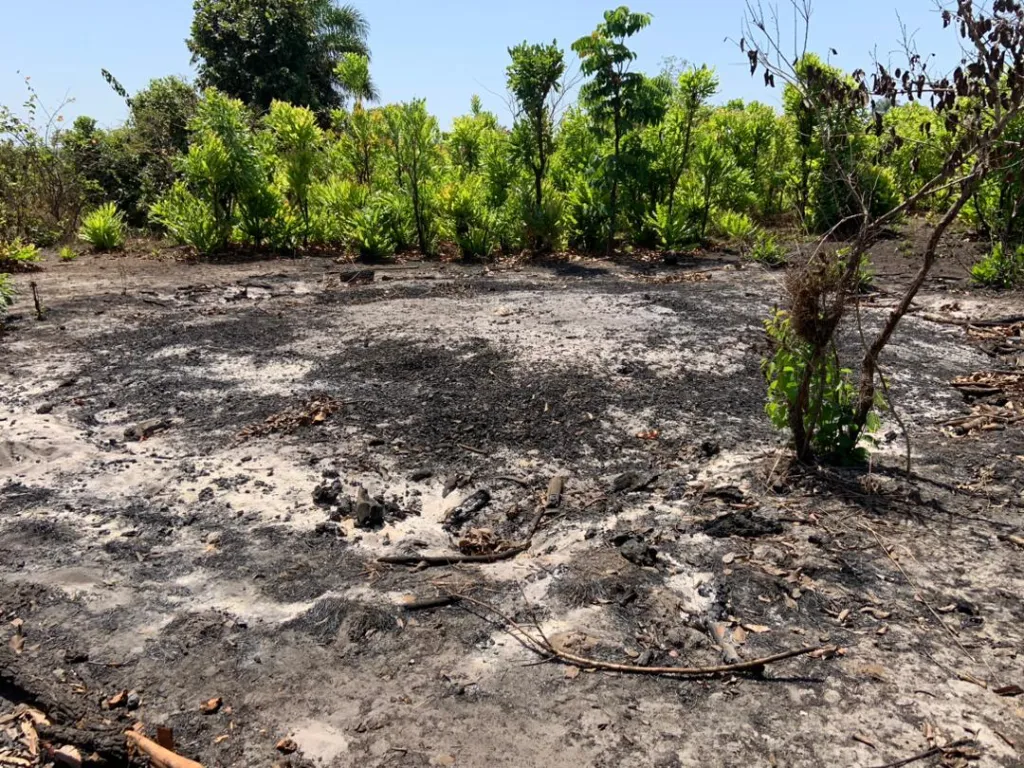
Illustration, diabetes screening © WHO
Every November 14, the world celebrates World Diabetes Day, highlighting a worrying reality in Guinea, where more than 1,250 children are affected by this disease.
According to theWorld Health Organization, diabetes is a chronic disease that occurs when the pancreas does not produce enough insulin, or when the body is not able to effectively use the insulin it produces. Insulin is a hormone that regulates blood sugar levels. Hyperglycemia, also called high blood sugar, is a common effect of uncontrolled diabetes that, over time, causes serious damage to many body systems, especially nerves and blood vessels.
Types of Diabetes?
There are mainly four types of diabetes. Type 2 diabetes, the most common, typically accounts for 80 to 90 percent of cases and often affects adults with other risk factors such as hypertension and obesity. Conversely, type 1 diabetes,affecting 5 to 10% of cases, is more common in children and adolescents, which can become fatal in the absence of early diagnosis. Gestational diabetes, occurring during pregnancy, can have consequences for the mother and the fetus. Although national data in Guinea is limited,a survey carried out in Conakry and Lower Guinea since 2009 reveals a prevalence of 5.4% among adults.
Diabetes in children
Diagnosing diabetes in children can be complex, presenting with symptoms such as fatigue, excessive thirst, frequent urination, increased appetite and weight loss. Unlike adults, children can fall into a coma and succumb to diabetes if diagnosed late. Professor Amadou Kaké, national coordinator for the fight against non-communicable diseases at the Ministry of Health, underlines the importance of awareness by declaring:“There is no particular age, diabetes can start at any age. We have had diabetic infants here. The normal blood sugar level at discomfort is 1.10g per liter in children and adults. »
Statistics that send shivers down your spine
On the African continent, between 2011 and 2021, the number of cases of type 1 diabetes in children and adolescents under 19 years increased fivefold in the Region, going from 4 cases per 1000 children to 20 cases per 1000 children, according to the World Health Organization.
To date, approximately1,300 diabetic children are being monitored as part of the “Changing Diabetes in Children” project, which has existed in Guinea for more than 10 years, offering free care to diabetic children. Professor Amadou Kaké adds: “Before the start of this project, there were less than 40 diabetic children in Guinea, and currently we have more than 1,200. These children were dying before diagnosis, because we thought there were none in Guinea. But now we have specialized diabetes care centers in Conakry and in each region. Every day, we detect diabetic children. »
Processing method
Since diabetes is a chronic disease, its treatment is forever. This is why diabetic children must take insulin for life, at least 3 to 4 times a day before each meal. Insulin is the hormone that regulates sugar levels in the body. These children have become diabetic because their pancreas can no longer produce insulin. Professor Kaké insists onthe need to monitor the decrease and increase in insulin dose, as well as blood sugar levels.
The story of Bilguissa diagnosed at the age of 6
Bilguissa Baldé, diagnosed with type 1 diabetes at the age of 6, talks about the challenges she had to overcome before the project arrived in Guinea in 2009. Today she emphasizes the importance of continuing education and regular medical monitoring:“From 2002 to 2008, there was no diabetes care in Guinea. It was my parents who paid for all the food, medications and insulin, which were very expensive. Sometimes there were even shortages of insulin, and I had to go without an injection, which made me very tired. At that time, diabetes was little known in children, it was insulin that kept me alive. It was from 2009, when the “Changing Diabetes in Children” program came to Guinea, that I began treatment. With education and training, I understood a lot of things, and since I was diagnosed with diabetes, I continue to take insulin and consult monthly. »
Unlike adults, preventing diabetes in children is complex due to its autoimmune nature. Despite progress, challenges remain in Guinea, including access to new forms of insulin, medical devices such as the insulin pump, and an insufficient number of specialists. Care for diabetic children extends up to 18 years of age, beyond which they must assume responsibility for their treatment themselves. Medical innovations are needed to guarantee effective treatment and better quality of life for diabetic children in Guinea.
World Diabetes Day 2023 under the theme“Access to care”, calls for better access to quality diabetes care, as well as the importance of prevention and response. In Guinea the day was marked by free screening initiatives across the country. Initiatives that can help save thousands of Guinean children hope the authorities.
Fanta BARRY
Read also
 Health
Sickle cell anemia and hemophilia: Guinea prepares its national treatment guide
In Guinea, around 5,000 children are born each year with a serious form of sickle cell anemia according to the hematology department of the Ignace University Hospital…
 HealthDisease
16 chemotherapy sessions: M’balia Batchily recounts her fight against breast cancer
A simple gesture, a mass discovered in time, sixteen chemotherapy sessions. Guest of the show Les Impertinents, on La Guinée Fréquence, M’balia…
 HealthDisease
Deafness in Guinea: when social perception complicates monitoring
On the occasion of World Deaf Day, celebrated each year on the last Sunday of September, deafness returns to…
Leave a Reply