

Understanding lupus with Professor Mame Thierno Dieng

Professor Mame Thierno Dieng, researcher © Ibrahima Moudias
For him, lupus is a chronic autoimmune disease in which the immune system attacks the body by mistake. “This disease can affect the skin, joints and certain organs such as the kidneys or the brain. Often identified by skin lesions and strong sensitivity to the sun, it cannot be cured definitively, but can be controlled through appropriate treatment and medical monitoring. explains Professor Dieng.
A common but poorly understood disease
During his presentation, Professor Dieng insisted on the need to raise awareness of lupus, present in all countries in the sub-region and which can lead to serious complications, even death, when it is not treated in time. “When a serious illness exists among us, we must not only know about it, but also regularly update our knowledge to improve its management,” he explained.
The specialist recalled that dermatologists play a central role in the diagnosis of lupus, the first manifestations of which are most often visible on the skin, before reaching other organs such as the joints, kidneys or the brain.
Visible symptoms not to be neglected
A significant part of the conference was devoted to the warning signs of lupus. Professor Dieng explained that the disease takes its name from its often characteristic skin manifestations. He cited in particular persistent lesions on the face, dermatoses on areas exposed to the sun, particularly the chest and back, as well as scalp damage which can lead to hair loss.
Professor Dieng also highlighted the high sensitivity to the sun, a major aggravating factor. According to him, these signs can be recognized even by non-dermatologist professionals, hence the importance of early consultation as soon as the first symptoms appear.
A scale difficult to measure in Africa
Due to a lack of sufficient epidemiological studies, the true extent of lupus remains difficult to assess in Africa. However, the Senegalese experience gives an indication: more than 500 cases have been recorded in less than five years, some of which unfortunately resulted in deaths.
Beyond the vital risk, Professor Dieng also highlighted the socio-economic impact of the disease, the treatment of which is generally lifelong and represents a significant burden for patients.
A treatable disease, but not curable
However, lupus can be controlled with treatments available in the region. The goal is to prevent complications and improve patients’ quality of life. Treatment is based in particular on synthetic antimalarials, in particular hydroxychloroquine, described as an essential drug to protect the skin against the effects of the sun.
The specialist emphasizes the importance of medical monitoring: “Improvement does not mean cure. Discontinuation of treatment must always be decided by the doctor. »
Beyond the scientific aspects, this conference highlighted the importance of awareness and early diagnosis. Better knowledge of lupus could help prevent many serious complications and save lives.
Read also
 EpidemicScience
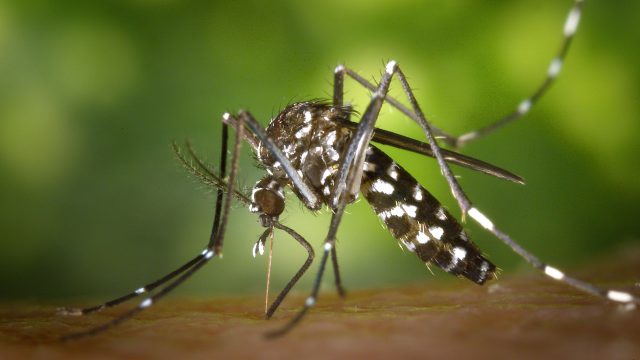
Mosquito virus in Guinea: study reveals discreet circulation in eight regions
A survey carried out in eight regions of the country reveals widespread, but discreet, circulation of viruses transmitted by insects. Zika…
 HealthDisease
16 chemotherapy sessions: M’balia Batchily recounts her fight against breast cancer
A simple gesture, a mass discovered in time, sixteen chemotherapy sessions. Guest of the show Les Impertinents, on La Guinée Fréquence, M’balia…
 HealthDisease
Deafness in Guinea: when social perception complicates monitoring
On the occasion of World Deaf Day, celebrated each year on the last Sunday of September, deafness returns to…
Leave a Reply