

Self-medication in Guinea: a scourge that threatens public health

A woman taking tablets © Internet
In Guinea, self-medication is a daily practice, especially in rural areas. Without a medical prescription, many people consume antibiotics, antimalarials, painkillers or even medicinal plants, thinking they are treating themselves effectively. However, this practice carries serious risks for public health.
Self-medication promotes antibiotic resistance, increases the risk of drug poisoning and can lead to liver or cardiovascular problems.
“Several patients arrive at the hospital after having developed complications linked to excessive or inappropriate use of medications,” says Dr. Karamo Kaba, public health specialist.
Citizens divided on the question
Oumar Sylla admits to using it, ignoring the consequences that could arise.
“I sometimes practice self-medication, especially for headaches or fatigue. So far, I have not had any health problems linked to this practice and I do not know anyone who has suffered from it”, affirms Oumar Sylla.
Unlike some citizens, others have become aware of the dangerousness of this practice and completely reject this habit.
“Personally, I don’t self-medicate. When I have a health problem, I go to the hospital to find out the cause before treating myself”, explains Moussa Kourouma, citizen.
The main causes of self-medication
In Guinea, as in many countries in Sub-Saharan Africa, self-medication is explained by a combination of social, economic and cultural factors.
“The high cost of medical consultations pushes many citizens to avoid health facilities, preferring to treat themselves. Added to this is the lack of access to health centers, especially in rural areas where distances and poor road conditions make travel difficult., regrets Dr Kaba.
Furthermore, purchasing medicines remains very easy, including in approved or unapproved pharmacies and in clandestine markets, where we often find products sold without a prescription and sometimes poorly stored. The lack of health education plays a major role.
According to Dr. Kaba, many are unaware of the dangers of inappropriate medication use or rely on non-medical advice from relatives or sellers.
Possible consequences
This practice is not without danger. Self-medication can encourage the emergence of resistance to treatments, particularly antibiotics, making certain diseases more difficult to treat. “It also exposes you to serious side effects, ranging from allergies to drug poisoning. In addition, by masking or modifying symptoms, it complicates the diagnostic work of doctors, which can lead to inappropriate treatment and delay appropriate care. says Dr Kaba.
Solutions to put an end to it
The fight against self-medication requires strengthening pharmaceutical regulations, large-scale awareness campaigns and better health coverage. “Only a healthcare professional can determine the right treatment. Health cannot be improvised, it must be treated with rigor,” concludes Dr Kaba.
Yaya Berete
Read also
 HealthDisease
16 chemotherapy sessions: M’balia Batchily recounts her fight against breast cancer
A simple gesture, a mass discovered in time, sixteen chemotherapy sessions. Guest of the show Les Impertinents, on La Guinée Fréquence, M’balia…
 HealthDisease
Deafness in Guinea: when social perception complicates monitoring
On the occasion of World Deaf Day, celebrated each year on the last Sunday of September, deafness returns to…
 FactuSciencesMedicineHealth
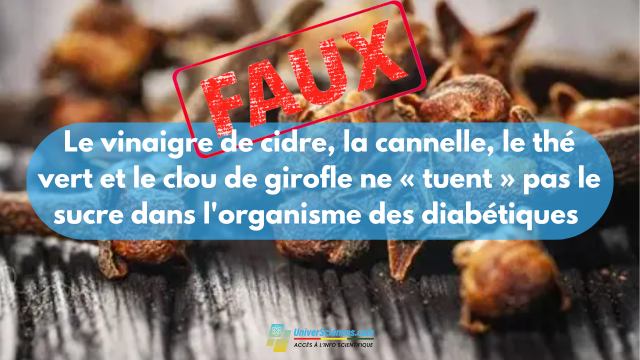
Apple cider vinegar, cinnamon, green tea and cloves do not “kill” sugar in the body of diabetics
This 2 minute 36 second video (archived link here) in which the author claims to share tips that “can kill” sugar in…
Leave a Reply