

Measles in Guinea: the return of a forgotten disease!

© measles-dz
While the national health security agency is deploying all its forces to control the coronavirus pandemic, measles is resurfacing in the country. A week ago, the director general of the national health security agency, Doctor Sakoba Keita, announced during a conference the presence of the disease on the national territory.
A tough front is once again opening for the country's health authorities and their partners. Measles is making a comeback in the communes of Matam, Ratoma, Matoto – in greater Conakry and Dinguiraye, Mamou – in the interior of the country, which are the localities most affected by the disease. Referring to an analytical study from last year on the disease, it makes it clear that the disease seeks at every opportunity to continue its progression.
“During 2020, 6,293 suspected cases of measles were reported in Guinea. Among the 919 serum samples analyzed in the laboratory, 552 were positive for measles, or 60%,” recalls Doctor Sory Condé, data manager in the surveillance department of the national health security agency.
Adults should also be wary
Known as a childhood disease, measles is rampant in Guinea, but it can also affect adults with more serious consequences. Populations must check their vaccination status to ensure they are protected against this highly contagious viral disease which causes rashes and fever, for which there is no treatment. So adults should also be wary of it.
“The people at risk are children under 5 years old. It is transmitted through the air from one person to another through airborne respiratory droplets. says Doctor Condé.
High rate of morbidity and mortality
Measles is an infectious disease caused by a virus. It is one of the biggest causes of morbidity and mortality in the world, particularly in Guinea. There is no specific treatment and the only measure to reduce the number of cases is to vaccinate children, who represent the most vulnerable group.
“Measles is a vaccine-preventable disease. Vaccination coverage of at least 90% will moderately prevent it. It is with this concern that the Ministry of Health developed in 2019 the measles elimination plan along with the accelerated control plan for measles outbreaks. The implementation of the accelerated measles outbreak control plan targeted 16 prefectures/communes,” explains Doctor Sory.
And to add:“These include activities to enumerate target children, mass vaccination activities and support routine vaccination. 11 of the 16 prefectures/municipalities were covered between March 2019 and January 2020. Unfortunately, the covid-19 epidemic slowed us down. But this year we plan to cover the remaining areas.”
Declared as an epidemic that will certainly spread, the organization of a vaccination campaign across the country is necessary. But at the level of the national health security agency, immediately launching this campaign would have gone quickly.
“The current measles epidemic situation in Guinea does not indicate the need for a nationwide response vaccination campaign. For the moment, 3 municipalities in Conakry and 2 prefectures in the interior of the country are concerned. However, the preparatory phase is underway. This involves making contact and raising awareness among authorities and leaders as well as populations, the delivery of vaccines, vaccination materials and other inputs…” underlines this data manager.
Despite the vaccine, many people are not protected
Although there is a vaccine against measles, many people are still not protected. Yet it presents many dangers: miscarriage, premature birth and even death. The measles vaccine must be given from the baby's first year. And you must follow the child’s vaccination schedule to the letter.
If, despite all precautions, the child catches measles, it is important to understand that several symptoms are indicative of this disease: cough, red, sensitive and watery eyes, high fever or even the appearance of small white dots on the inside of the cheeks followed by a rash on the face and body.
“Measles is recognized by a number of signs and symptoms including fever, generalized maculopapular (non-vesicular) rash, cough and/or cold, conjunctivitis. As soon as a child presents these symptoms, they must immediately be taken to a health facility for treatment. This not only avoids complications, but also protects other children from contamination,» advises Doctor Sory Condé.
Help from the pediatrician to calm the child
As soon as the first signs appear, don't hesitate: go to the pediatrician, who will report the illness and help calm the child.
Amadou Dari DIALLO
Read also
 HealthDisease
16 chemotherapy sessions: M’balia Batchily recounts her fight against breast cancer
A simple gesture, a mass discovered in time, sixteen chemotherapy sessions. Guest of the show Les Impertinents, on La Guinée Fréquence, M’balia…
 HealthDisease
Deafness in Guinea: when social perception complicates monitoring
On the occasion of World Deaf Day, celebrated each year on the last Sunday of September, deafness returns to…
 FactuSciencesMedicineHealth
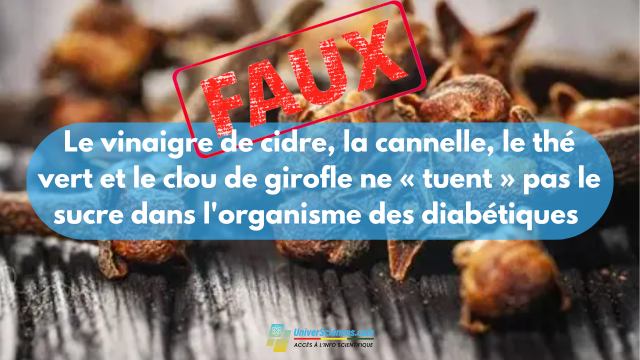
Apple cider vinegar, cinnamon, green tea and cloves do not “kill” sugar in the body of diabetics
This 2 minute 36 second video (archived link here) in which the author claims to share tips that “can kill” sugar in…
Leave a Reply